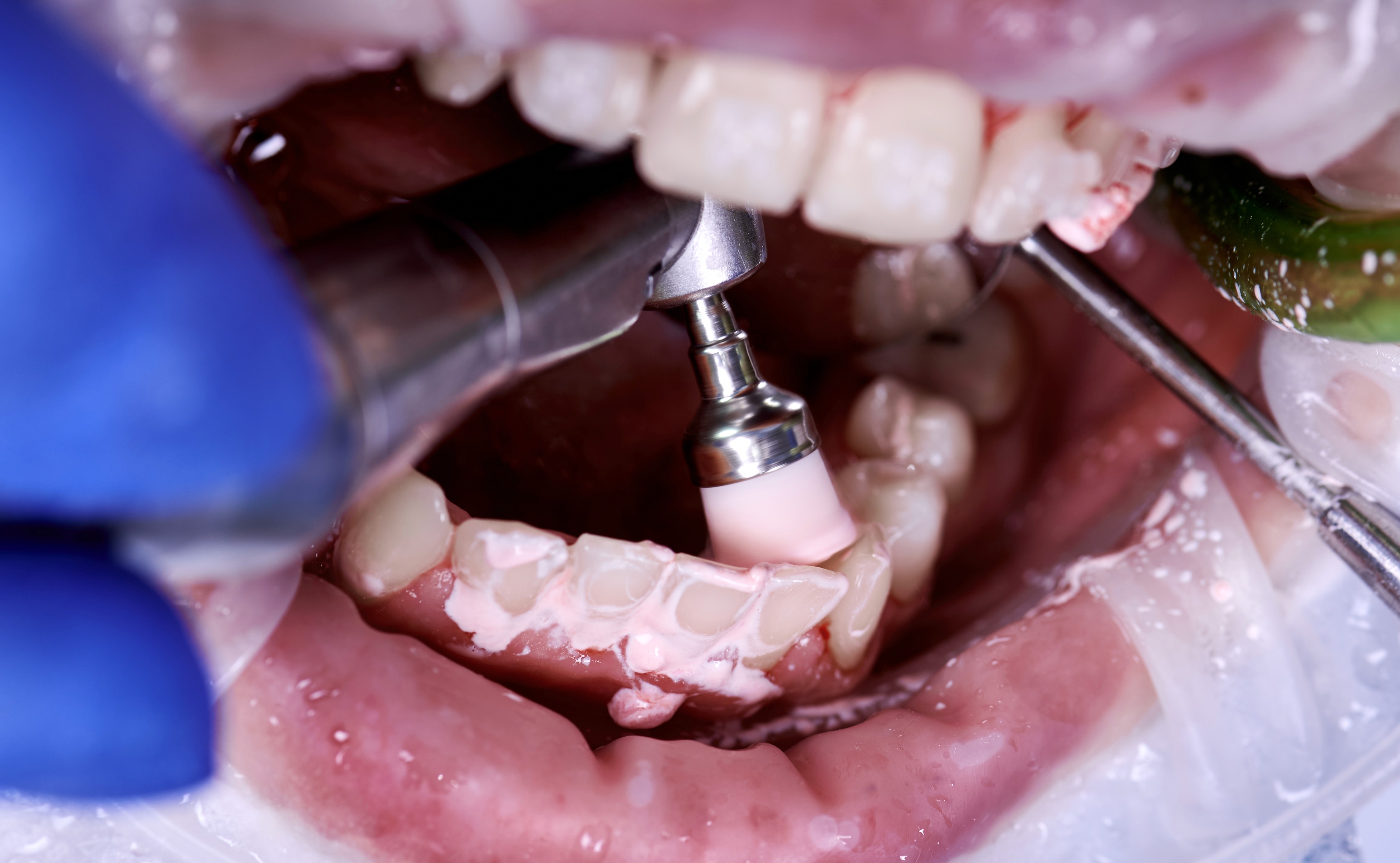
Dental composites are a core part of modern restorative dentistry, used for direct restorations, esthetic repairs, build-ups, and a wide range of everyday clinical procedures. With so many composite materials available, the best choice often depends on the restoration type, handling preference, shade-matching needs, curing protocol, and the clinician’s workflow.
There is no single “best” dental composite for every practice or case. Instead, many dental professionals keep multiple composites on hand, such as a highly esthetic universal composite, a posterior-focused material, a single-shade composite, and a flowable or bulk-fill option. Below are several widely used dental composites to compare when evaluating restorative materials for your operatory.
At Net32, dental professionals compare brands, formulations, and pricing from multiple vendors in one place—making it easier to find the best dental composite for every clinical scenario.
Below is your comprehensive guide to the best dental composites in today’s operatories.
How to Choose the Best Dental Composite
When comparing dental composites, consider more than brand familiarity alone. Important factors include:
Indication range: anterior, posterior, Class I–V, core build-up, repair, or cosmetic use
Handling: sculptable, creamy, packable, non-sticky, or flowable
Shade system: traditional multi-shade, simplified shade, single-shade, opacity options, or enamel/dentin effects
Polishability and gloss retention: especially important for anterior esthetic restorations
Radiopacity: helpful for post-op evaluation and margin visibility on radiographs
Cure depth and workflow: traditional 2 mm incremental placement versus bulk-fill placement
Delivery format: syringes, capsules, compules, tips, or unit-dose options
The right product mix may help support consistent results while allowing clinicians to match the material to the case rather than forcing one composite to handle every indication.
Best Dental Composites
 | Type: Single-shade universal dental composite OMNICHROMA is best known for its simplified single-shade approach. Tokuyama states that OMNICHROMA is designed to cover all VITA classical shades with one shade of composite using Smart Chromatic Technology and uniformly sized spherical fillers. This can be appealing for practices that want to reduce shade inventory, simplify composite selection, or streamline restorative workflows. It may be especially helpful in offices where shade selection slows down daily procedures or where minimizing expired shade stock is a priority. Best for: Single-shade restorative workflows and inventory simplification. |
Kerr Harmonize Universal Composite
 | Type: Nanohybrid universal dental composite Kerr Harmonize is positioned around blending, polishability, and handling. Kerr describes the material as using Adaptive Response Technology, with filler particles designed to refract and diffuse light in a way that more closely resembles enamel. This can make Harmonize a useful option for clinicians who want a composite that supports esthetic blending without overly sticky handling during placement and sculpting. Best for: Esthetic blending, anterior restorations, and clinicians who prefer moldable handling. |
Best Flowable Dental Composite
3M/Solventum Filtek Supreme Flowable
 | Type: Flowable dental composite Filtek Supreme Ultra is one of the most useful systems to compare because it is available in a broad shade range and multiple kit configurations. Solventum describes Filtek Supreme Ultra as a fluorescent, radiopaque, and opalescent universal restorative for anterior and posterior restorations, with 36 shades and four opacities. Best for: Practices that want a complete universal composite kit with multiple shades, opacities, and anterior/posterior flexibility. |
Best BPA-Free Dental Composite
 | Type: Flowable dental composite with Bis-GMA-free positioning GC G-ænial Universal Flo is a G-ænial Universal Flo light-cured, radiopaque flowable composite recommended for Class I, II, III, IV, and V restorations, with easy handling, thixotropic flow, 16 shades in three opacities, and a Bis-GMA-free formulation. GC also states that its products are free of Bisphenol A, while separately noting that some dental materials may contain BPA-derived monomers; for BPA-sensitive workflows, clinicians should still review the latest manufacturer documentation and IFU before purchasing. Best for: Practices comparing BPA-free or Bis-GMA-free flowable composites with broad restorative indications. |
Best A1 Dental Composite
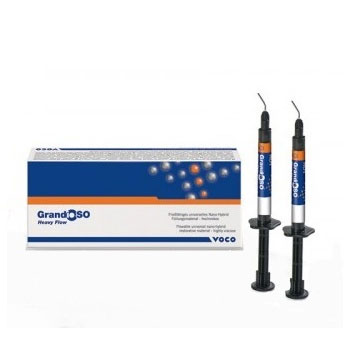 | Type: Universal nano-hybrid dental composite in A1 shade VOCO GrandioSO A1 is a universal nano-hybrid composite with 89% filler content by weight, low shrinkage, high radiopacity, wear resistance, color stability, polishability, and polish retention. VOCO’s instructions for use also list A1 among the available shades. GrandioSO A1 may be useful for practices that want an A1 composite within a durable universal restorative system for both anterior and posterior cases. It can be compared against other A1 composites based on handling, polish, shade matching, filler content, delivery format, and fit with the practice’s existing restorative workflow. Best for: Practices comparing A1 dental composites for universal restorative use, posterior durability, anterior esthetics, and shade-specific inventory. |
Best A2 Dental Composite
 | Type: Low-shrink universal dental composite in A2 shade Shofu Beautifil II LS A2 is a premium nano-hybrid universal composite with GIOMER technology, aesthetics, non-sticky handling, and superior physical properties. Beautifil II LS may be useful for offices that want an A2 composite with a low-shrink formulation, polishability, and anterior/posterior versatility. Its A2 availability also makes it a practical option for practices that frequently use A2 as a common restorative shade. Best for: Practices comparing A2 dental composites for universal restorative use, low-shrink workflows, and non-sticky handling. |
Frequently Asked Questions (FAQs)
Are single-shade composites worth using?
Single-shade composites may be useful for practices that want to simplify shade selection and reduce inventory. OMNICHROMA is one example of a single-shade composite designed to match a wide shade range, but clinicians should still evaluate whether the material fits their esthetic expectations, indications, and case selection.
Should a dental practice stock more than one composite?
Many practices benefit from stocking more than one composite type. A universal composite may handle many everyday cases, while a single-shade composite, bulk-fill composite, flowable composite, and high-esthetic anterior composite can support more specialized workflows.
Compare Dental Composites for Your Practice
Choosing the best dental composite is ultimately about matching the material to the restoration, the clinician’s handling preference, and the practice’s inventory strategy. Some offices may prefer a broad multi-shade system, while others may want simplified shade coverage, bulk-fill efficiency, or a firm sculptable composite for posterior anatomy.