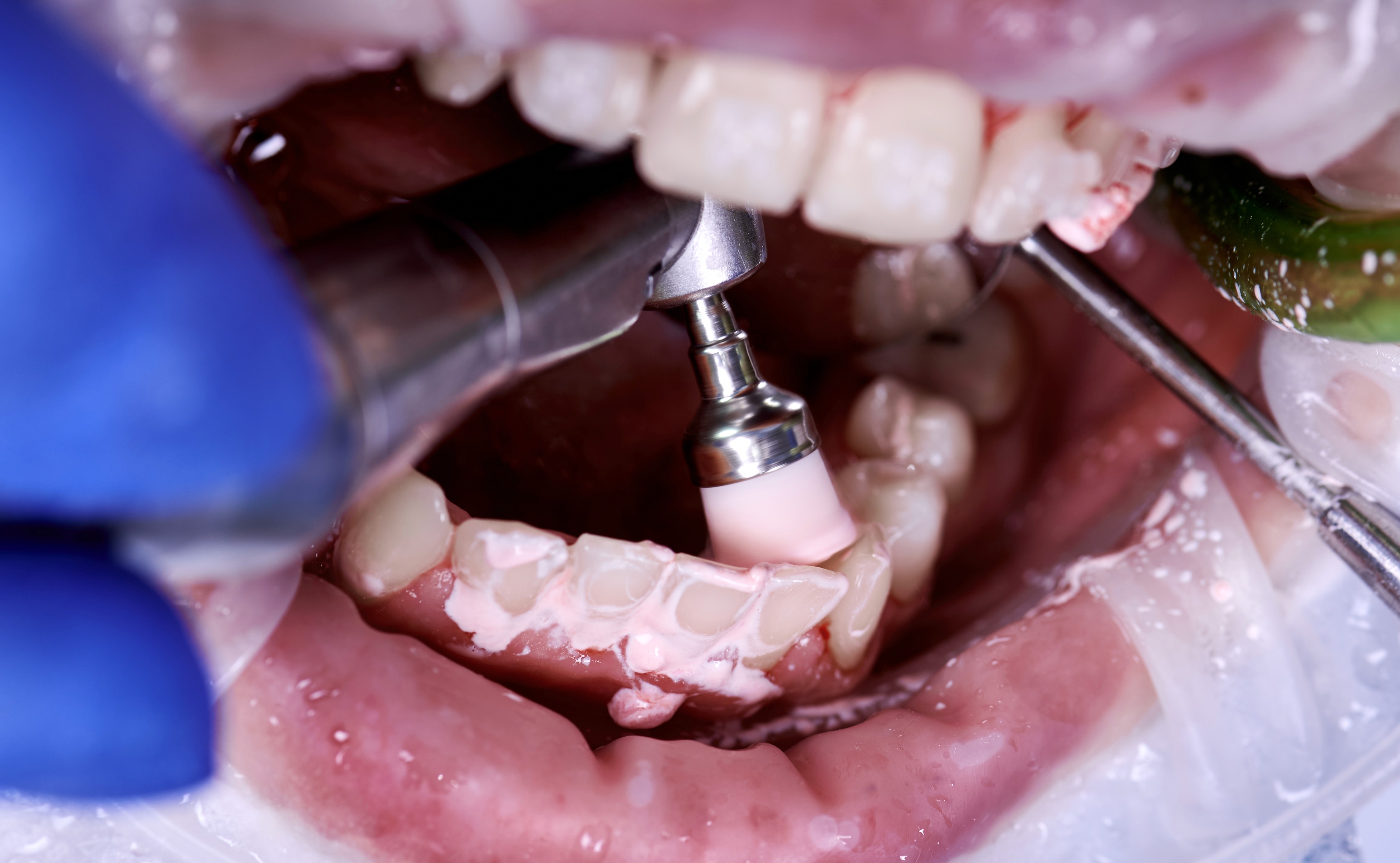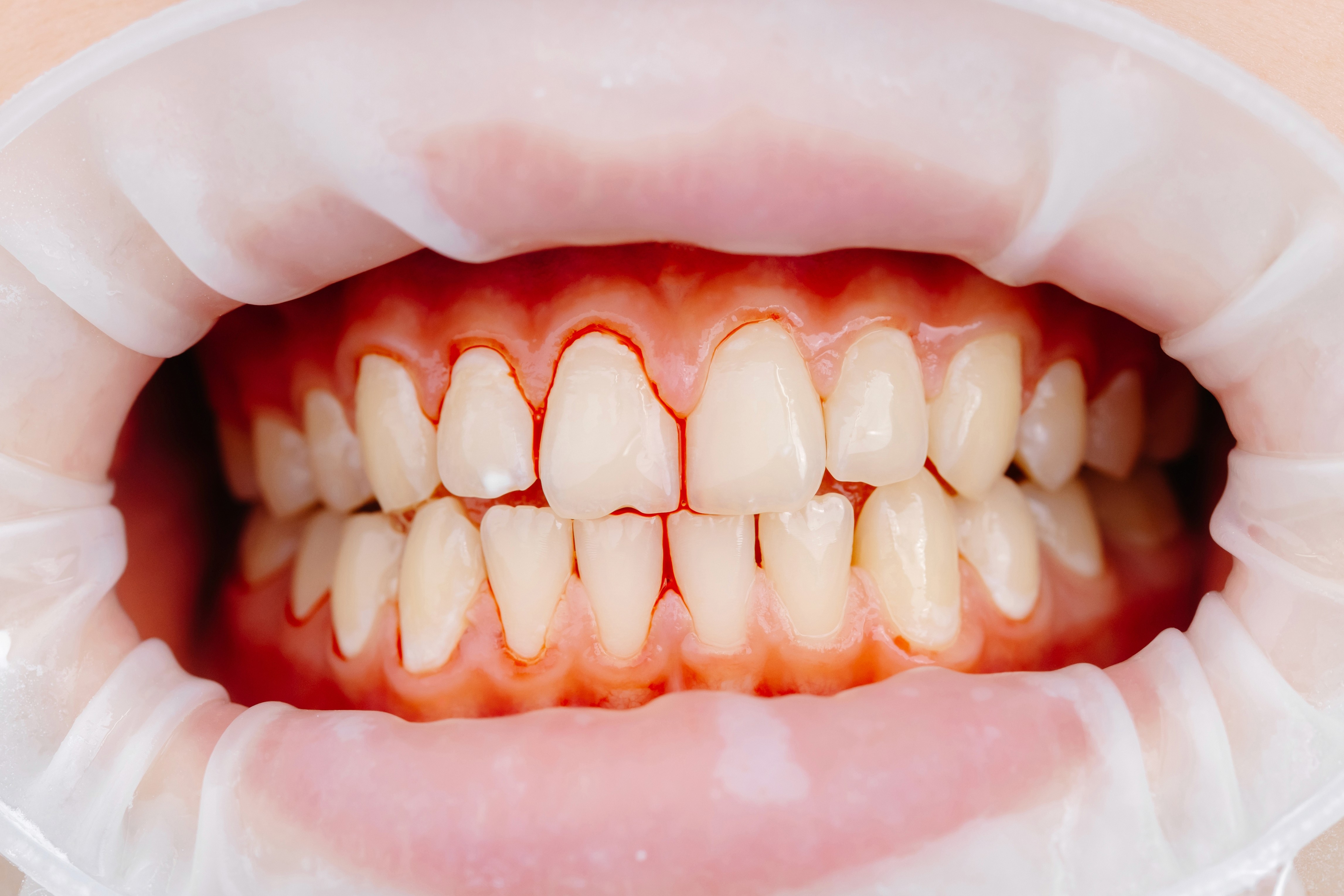
As the popularity of GLP-1 receptor agonists like Ozempic, Wegovy, and Mounjaro soars, a new term has emerged on social media and in dental offices: "Ozempic Teeth." While not a formal medical diagnosis, the term refers to a cluster of oral health issues reported by patients taking these medications.
Here is a breakdown of what "Ozempic Teeth" is, the specific side effects to watch for, and how to protect your smile while on your weight loss journey.
What is Ozempic Teeth?
"Ozempic Teeth" is a colloquial term describing a range of dental problems—from sudden cavities to gum inflammation—experienced by patients on semaglutide and similar weight loss medications.
It is critical to understand that the medication itself does not chemically "rot" your teeth. Instead, the drug induces physiological changes that create a hostile environment for your oral health. The primary culprit is a reduction in saliva production combined with changes in gut health. Because saliva is your mouth's natural defense system—responsible for neutralizing plaque acids and washing away food particles—a lack of it allows bacteria to multiply rapidly, leading to accelerated decay and enamel erosion.
Ozempic Teeth Side Effects
If you are taking a GLP-1 agonist, you may experience specific oral symptoms caused by the drug's impact on hydration and digestion:
Severe Dry Mouth (Xerostomia): This is the most common side effect. These drugs mimic a hormone that signals fullness but can also suppress thirst signals and reduce saliva flow. Without saliva, teeth lose their ability to remineralize, making them soft and vulnerable.
Acid Erosion: Nausea, vomiting, and silent reflux are frequent side effects of GLP-1 medications, especially when starting a new dose. Frequent exposure to stomach acid can strip away enamel, leaving teeth yellow, thin, and translucent.
Increased Cavities: Patients who historically had "perfect teeth" may suddenly find themselves with multiple cavities due to the dry, acidic environment in the mouth.
"Ozempic Tongue": Many users report dysgeusia—a distortion of the sense of taste. Foods may taste bitter, metallic, or salty, and the tongue itself may feel coated or sensitive.
Gingivitis and Gum Inflammation: Dry tissues are more prone to irritation. You may notice your gums are redder than usual, swollen, or bleed easily when flossing.
How to Prevent Ozempic Teeth
Dentists emphasize that you do not need to stop your medication to save your teeth, but you must adopt a proactive, "high-maintenance" oral care routine.
Hydrate Aggressively: Do not wait until you are thirsty. Because the drug suppresses thirst signals, you must drink water on a schedule to keep your oral tissues moist.
Stimulate Saliva Production: Chewing xylitol-sweetened gum or using xylitol lozenges is highly effective. Xylitol not only stimulates saliva flow but also actively inhibits the growth of cavity-causing bacteria.
Manage Vomiting Correctly: If you experience nausea or vomiting, do not brush your teeth immediately. Your enamel is softest right after acid exposure. Instead, rinse with a mixture of water and baking soda to neutralize the acid, wait 30 minutes, and then brush.
Use Specific Dental Products: Switch to a high-fluoride toothpaste to harden your enamel. Over-the-counter saliva substitutes (sprays or gels) can also help coat the mouth overnight.
Schedule More Frequent Cleanings: Inform your dentist you are on this medication. They may recommend coming in for cleanings every 3–4 months instead of every 6 to monitor for rapid decay.
Rinse with the Right Mouthwash: Avoid alcohol-based mouthwashes as alcohol is a drying agent that will worsen your symptoms. Instead, use an alcohol-free fluoride rinse to strengthen enamel or a specialized dry-mouth rinse (like Biotene) to lubricate your gums.
Conclusion
As GLP-1 medications become more prevalent, dentists are increasingly seeing patients with "Ozempic teeth"—a condition characterized by heightened cavity risk, enamel erosion from acid reflux, and severe dry mouth. Net32 provides a comprehensive marketplace for dental professionals to source the specific supplies needed to treat these side effects, often at significantly lower prices. From preventative essentials like high-concentration fluoride varnishes and remineralizing pastes to dry mouth relief products and restorative composites for treating rapid decay, Net32 allows practices to stock up on all the necessary clinical supplies to manage the oral health challenges associated with weight-loss medications.
Frequently Asked Questions (FAQ)
Does Ozempic cause teeth to fall out?
There is no evidence that semaglutide (the active ingredient in Ozempic) directly attacks tooth roots or causes them to loosen on its own. However, in severe cases, "Ozempic Teeth" can lead to tooth loss indirectly if the side effects are ignored.
Does Ozempic cause teeth grinding?
While teeth grinding is not listed on the official label for Ozempic or Wegovy, dentists and patients are increasingly connecting the two. The link is likely indirect, caused by the physical and mental stress the body undergoes during rapid weight loss.
Can Ozempic make your teeth hurt?
While the drug does not damage the nerve of the tooth directly, the environment it creates in your mouth can lead to several different types of tooth pain.