A calculus bridge is one of the most severe forms of dental plaque accumulation. While the name might sound structural or mathematical, in dentistry, it refers to a harmful "bridge" of hardened tartar that connects multiple teeth, often masking serious underlying health issues.
This article explores what a calculus bridge is, why it forms, the dangers it poses to your oral health, and how dental professionals treat it.
What Is a Calculus Bridge?
A calculus bridge occurs when dental calculus (commonly known as tartar) accumulates so heavily that it forms a continuous, hardened solid mass across several adjacent teeth.
Usually, tartar forms as individual deposits on the surfaces of teeth. However, if left untreated for long periods, these deposits grow and merge, filling the spaces between teeth (interproximal spaces) and covering the gum line.
Appearance: It typically looks like a thick, chalky wall of white, yellow, tan, or brown material covering the base of the teeth. In smokers or coffee drinkers, it may appear black.
Texture: Unlike soft plaque, a calculus bridge is rock-hard and cannot be removed with a toothbrush or floss.
Location: It is most commonly found on the back of the lower front teeth (mandibular anterior lingual surfaces) because the saliva glands there are mineral-rich, which accelerates the hardening of plaque.
Calculus Bridge Images
The "False Stability" Myth
One of the most dangerous aspects of a calculus bridge is that it can create a false sense of security.
Patients with severe gum disease often have loose teeth because the bone supporting them has eroded. A heavy calculus bridge can cement these loose teeth together, acting like a natural splint that holds them in place. Patients may think their teeth are strong, but in reality, the tartar is the only thing keeping them from falling out.
Warning: When a dentist removes a calculus bridge, the teeth underneath may suddenly feel very loose. This is not because the dentist damaged the teeth, but because the "crust" holding them together is gone, revealing the true state of the periodontal disease.
Calculus Bridge Causes
The process begins with plaque—a sticky, colorless film of bacteria that constantly forms on teeth.
Plaque Accumulation: If plaque is not removed by brushing and flossing within 24–72 hours, it begins to mineralize by absorbing calcium and phosphates from your saliva.
Hardening into Tartar: Once mineralized, plaque turns into tartar (calculus). Tartar provides a rough surface area that allows more plaque to stick to it easily.
Expansion: As layers build up over months or years, the tartar spreads sideways, eventually bridging the gap between teeth and covering the gums.
Calculus Bridge Risk Factors:
Poor oral hygiene (inadequate brushing/flossing).
Irregular professional dental cleanings (skipping dentist visits for years).
High-sugar or high-starch diets.
Smoking (which alters saliva flow and plaque composition).
Dry mouth (xerostomia).
Symptoms of a Calculus Bridge
Because a calculus bridge builds up slowly over time, you may not notice it until it is severe. However, there are distinct signs that indicate its presence:
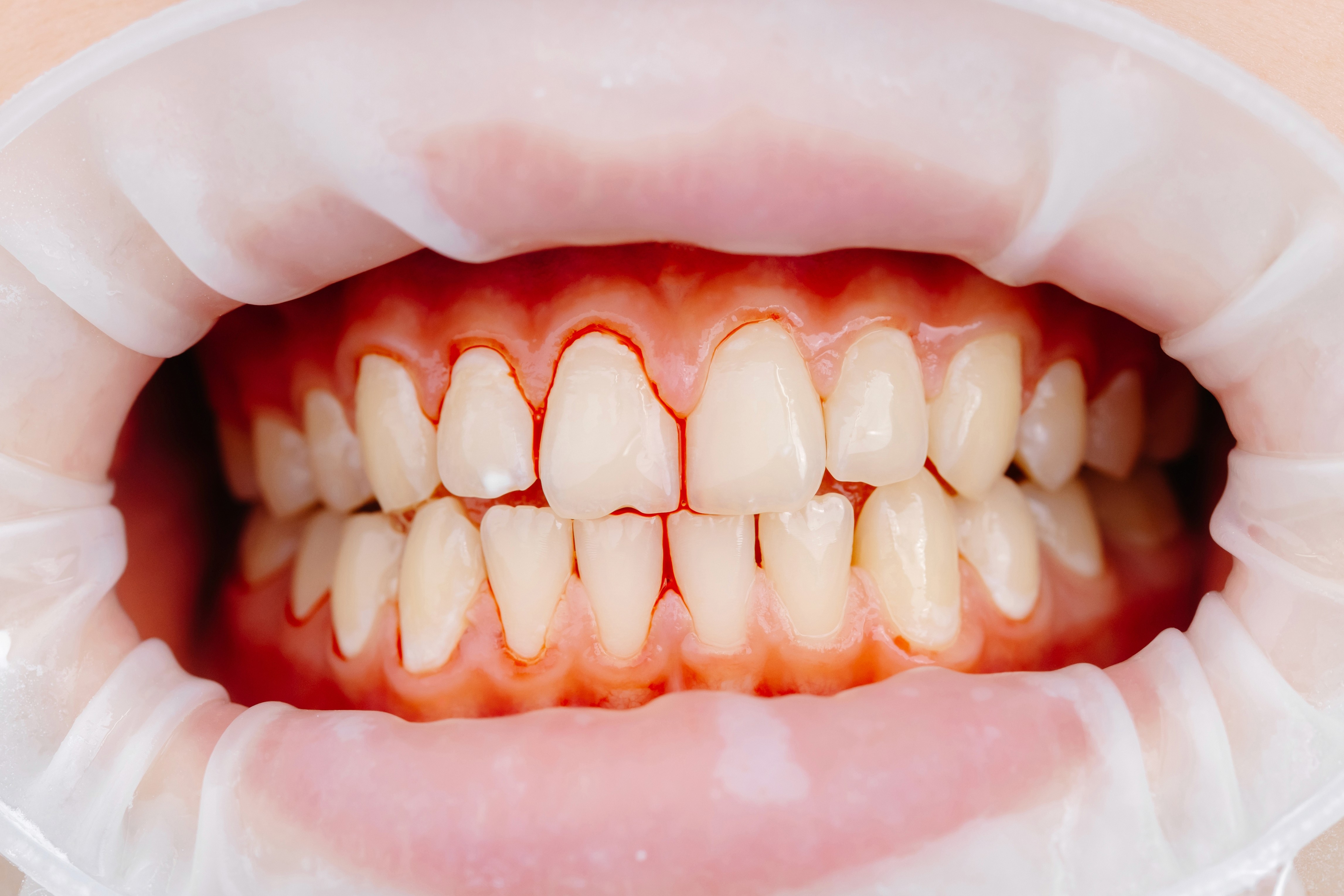
Visible Discoloration: You may see a yellow, brown, or tan "ledge" along your gum line. It often looks like a solid band connecting your teeth rather than individual teeth with spaces between them.
Chronic Bad Breath (Halitosis): The porous structure of the tartar traps decaying food particles and bacteria, creating a foul odor that mouthwash cannot cover up.
Inability to Floss: You may find it physically impossible to pass floss between your teeth because the hardened tartar has blocked the interproximal spaces.
Bleeding Gums: Your gums may bleed easily when you brush, even if you are using a soft-bristled toothbrush.
Receding Gums: The calculus pushes the gum tissue away, making your teeth appear "longer" or exposing the sensitive roots.
Roughness: You might feel a rough, jagged, or stone-like texture on the back of your teeth with your tongue, rather than smooth enamel.
Calculus Bridge Side Effects
A calculus bridge is more than a cosmetic issue; it is a fortress for bacteria.
Gum Disease (Periodontitis): The bridge presses against the gums, causing chronic inflammation. This leads to gum recession, bleeding, and bone loss.
Halitosis (Chronic Bad Breath): The porous structure of tartar traps dead cells and rotting food particles, leading to a persistent foul odor.
Cavities: The bridge prevents you from cleaning the tooth enamel underneath. Bacteria trapped under the bridge release acids that rot the teeth silently.
Systemic Health Issues: The bacteria in severe gum disease can enter the bloodstream, contributing to heart disease, diabetes complications, and respiratory issues.
Calculus Bridge Treatment and Removal
You cannot remove a calculus bridge at home.
Brushing, flossing, or using "tartar removal tools" sold online will not work and can cause severe damage to your gums.
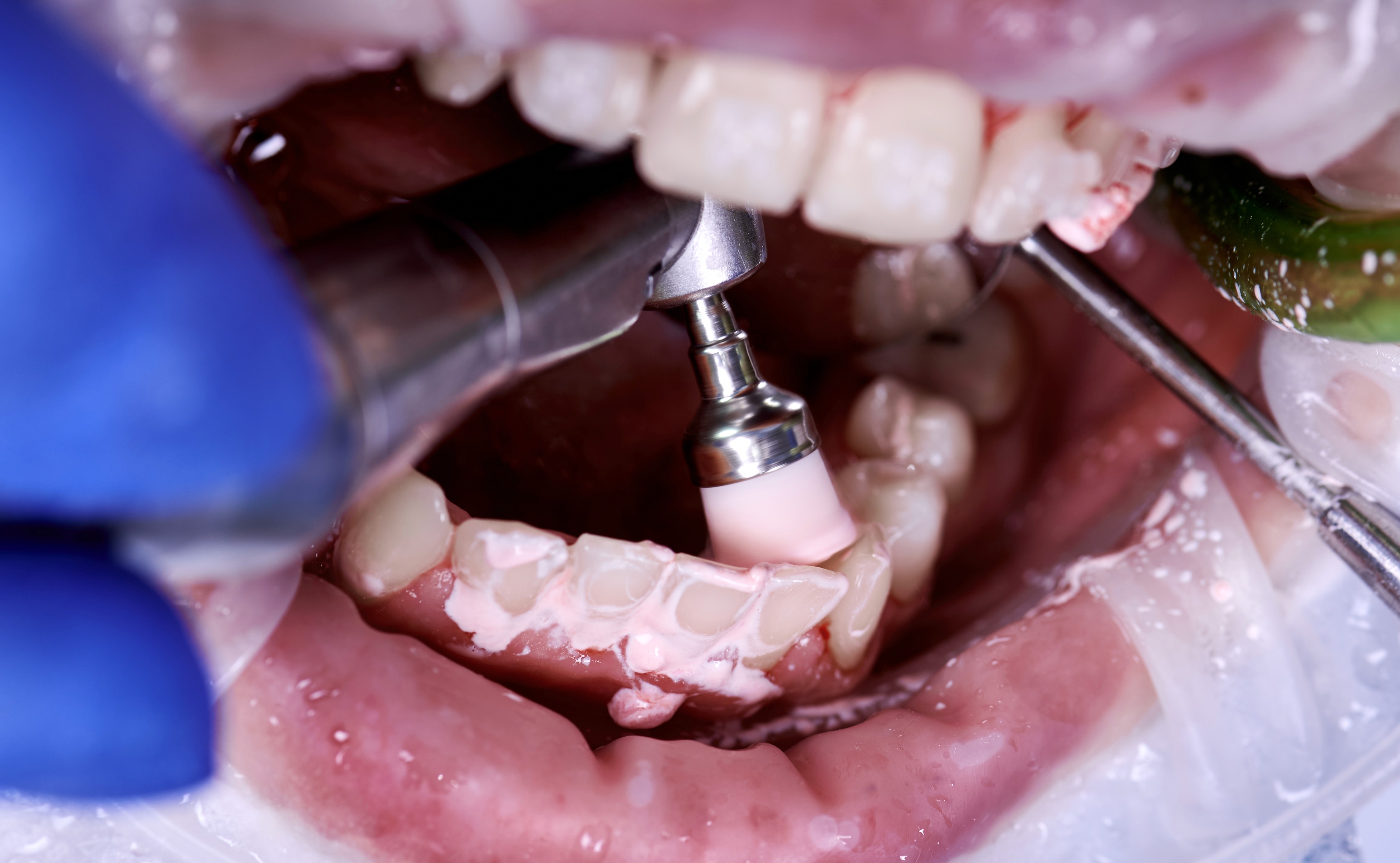
Treatment requires a professional procedure known as Scaling and Root Planing (SRP), often called a "deep cleaning."
Debridement: A dentist or hygienist uses an ultrasonic scaler (a device that vibrates at high speed and uses water) to fracture and knock off the heavy tartar deposits.
Scaling: Hand instruments are used to carefully scrape the remaining tartar from above and below the gum line.
Root Planing: The root surfaces of the teeth are smoothed to prevent bacteria from re-attaching easily and to allow the gums to heal and re-attach to the tooth.
Note: If the bone loss is severe, the teeth may need to be splinted together medically or extracted after the calculus is removed.
Conclusion
A calculus bridge is a sign of long-term neglect and a warning bell for periodontal disease. While it may seemingly "splint" loose teeth together, it is actively destroying the bone and tissue that keep your mouth healthy. The only solution is professional intervention to remove the buildup and arrest the disease before tooth loss becomes inevitable. If your dental practice is looking for tools to help you remove calculus bridges, come to Net32 for all your dental practice needs.