When I tell a colleague I practice wellness dentistry, the next question is usually some version of: what does that actually mean?
It's a fair question. "Wellness" and "holistic" are often used interchangeably in our profession, but they describe two different approaches. Not better or worse. Different starting points that lead to different decisions in the operatory. I get asked often enough that it's worth answering carefully.
Holistic vs Wellness Dentistry
Start with the overlap, because it's substantial.
Both approaches reject the idea that the mouth is a sealed compartment. Both are dissatisfied with drill-fill-bill-repeat. Both take the relationship between oral disease, inflammation, sleep, nutrition, and chronic disease seriously. When sorted by topic, they look nearly identical, which is exactly why the terms get swapped so freely.
They differ in where they set the evidence threshold.
Holistic dentistry generally begins from a philosophical commitment, often some version of the precautionary principle: if a material or procedure carries a plausible risk of systemic harm, avoid it, even when the supporting evidence is preliminary. That's an internally consistent position, and the practitioners I know who hold it are sincere about patient welfare.
Wellness dentistry starts from the totality of the evidence. The body of literature, its quality, its consistency, and its contradictions, including the studies that undercut what I'd prefer to be true. It operates on a risk-benefit spectrum rather than in absolutes, and it aims for protocols that are reproducible from one clinician to the next.
The practical consequence is that two thoughtful practitioners can share the same concern and reach different conclusions. Where a precautionary framework may act on the possibility of harm, I need the weight of the literature before I recommend a procedure, and I have to accept the answer when it lands somewhere I didn't expect. That's the whole distinction. Everything below is downstream of it.
Start With Who’s Actually in the Chair
The patient in my operatory in 2026 is not the patient the dental school curriculum was built around.
She's 54. Multiple medications. An A1c that's been creeping for six years, a blood pressure number her physician is "watching", sleep quality nobody has formally evaluated, and a level of fatigue she stopped mentioning because she was told it's normal for her age. She isn't dying of anything in particular and not anytime soon. She's accumulating things like rust on a car engine.
Medicine is extraordinary at the problems it was built to solve: acute disease, trauma, infection. But that system is designed to intervene after something ultimately breaks, and most of what's happening to my 54-year-old has been developing quietly for twenty years before it earns a diagnosis. Chronic disease is rarely a single event. It's a systems failure, accumulating.
What makes this a dental problem: I see her two to four times a year. Her primary care physician sees her once, for fifteen minutes, if she goes. I have imaging, direct visualization of an active inflammatory site, a structural record going back years, and more scheduled contact time with her than anyone else in her care.
That's not an argument for expanding scope. It's an observation about access.
Medicine has already named this arc. It moved from a pre-scientific era to a golden age of infection control, surgery, and hyper-specialization treating heart attacks after they happen, and now toward something predictive, proactive, and precise, aimed at arterial plaque twenty years earlier. Dentistry ran the same course: extraction and pain relief, then the restorative era that made us superb technicians, and now the shift a growing number of people are calling Wellness Dentistry. Whatever you call it, the driver is the same. The problems have changed and so must the solutions.
Three Conditions Associated with Teeth
We became extraordinary mechanics and engineers of teeth. But the biology doesn't stop at the periodontal ligament.
Three conditions often show up together in this population that I now treat as a prompt to evaluate the other two.
Diabetes. Hyperglycemia drives periodontal destruction and impairs healing. It's a bidirectional relationship, not a one-way risk factor.
Sleep apnea. Intermittent hypoxia drives systemic inflammation and oxidative stress. And it frequently isn't obvious apnea. It's upper airway resistance a basic home test won't flag, because the apnea count stays low while the arousal count doesn't.
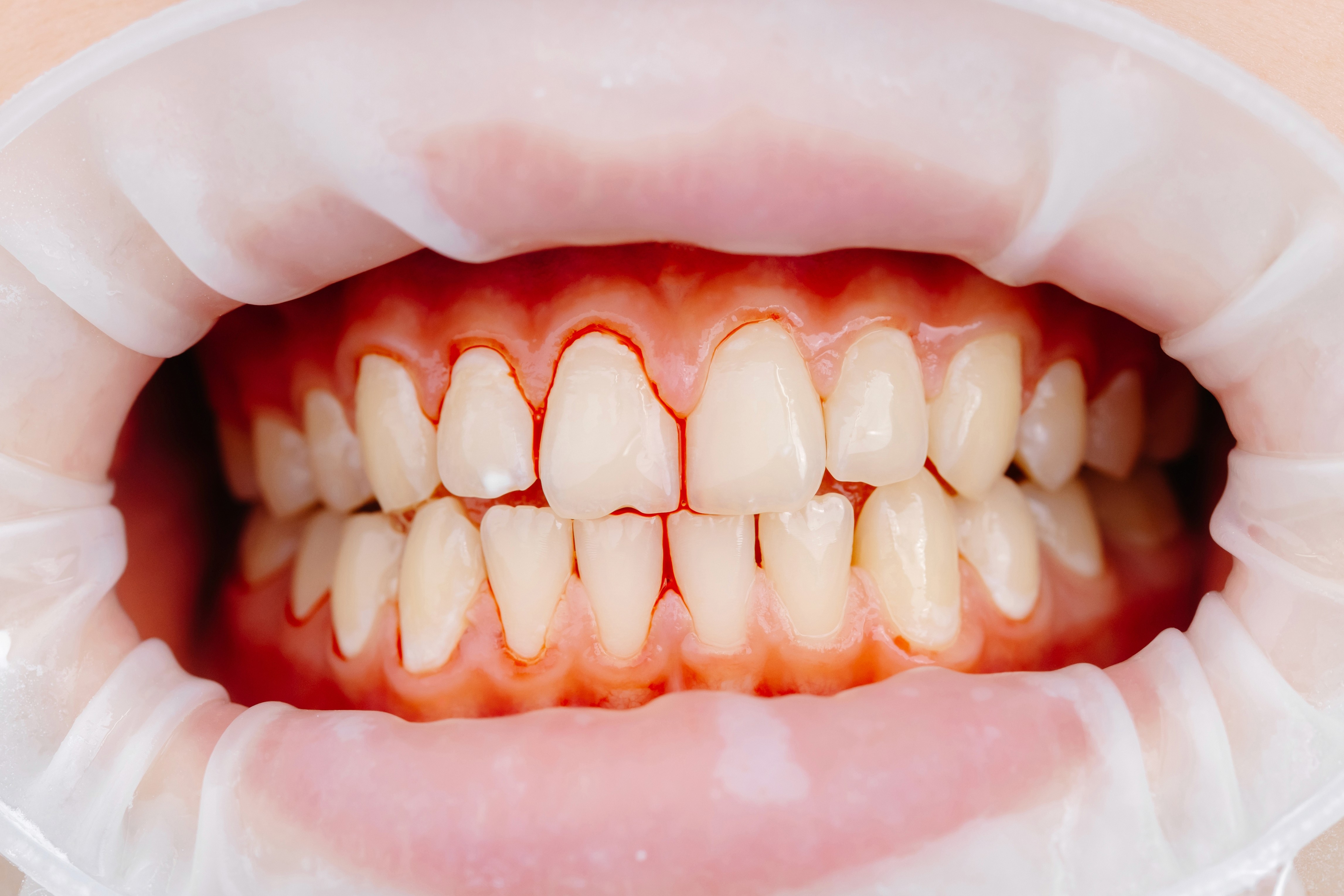
Periodontal disease. Chronic infection drives systemic inflammatory load. Bacteremia, cytokine export, endothelial stress. The mechanism isn't mysterious.
These aren't three coincidental findings. They feed each other, and each one exports the same currency into circulation: inflammatory load and oxidative stress. That's the biological rust that accumulates on everything else.
Which is why bleeding gums is not normal. Your gums should bleed as often as your eyeballs.
Treat the periodontal disease alone in this patient, and she relapses. Screen her airway and ignore her glycemic status and you've solved a third of the problem. That's the case for running all five risk categories: periodontal, biomechanical, functional, aesthetic, and airway on every comprehensive exam rather than only the one the chief complaint points at.
Diagnostic Work and Wellness Dentistry
Wellness dentistry asks for more diagnostic work, not less.
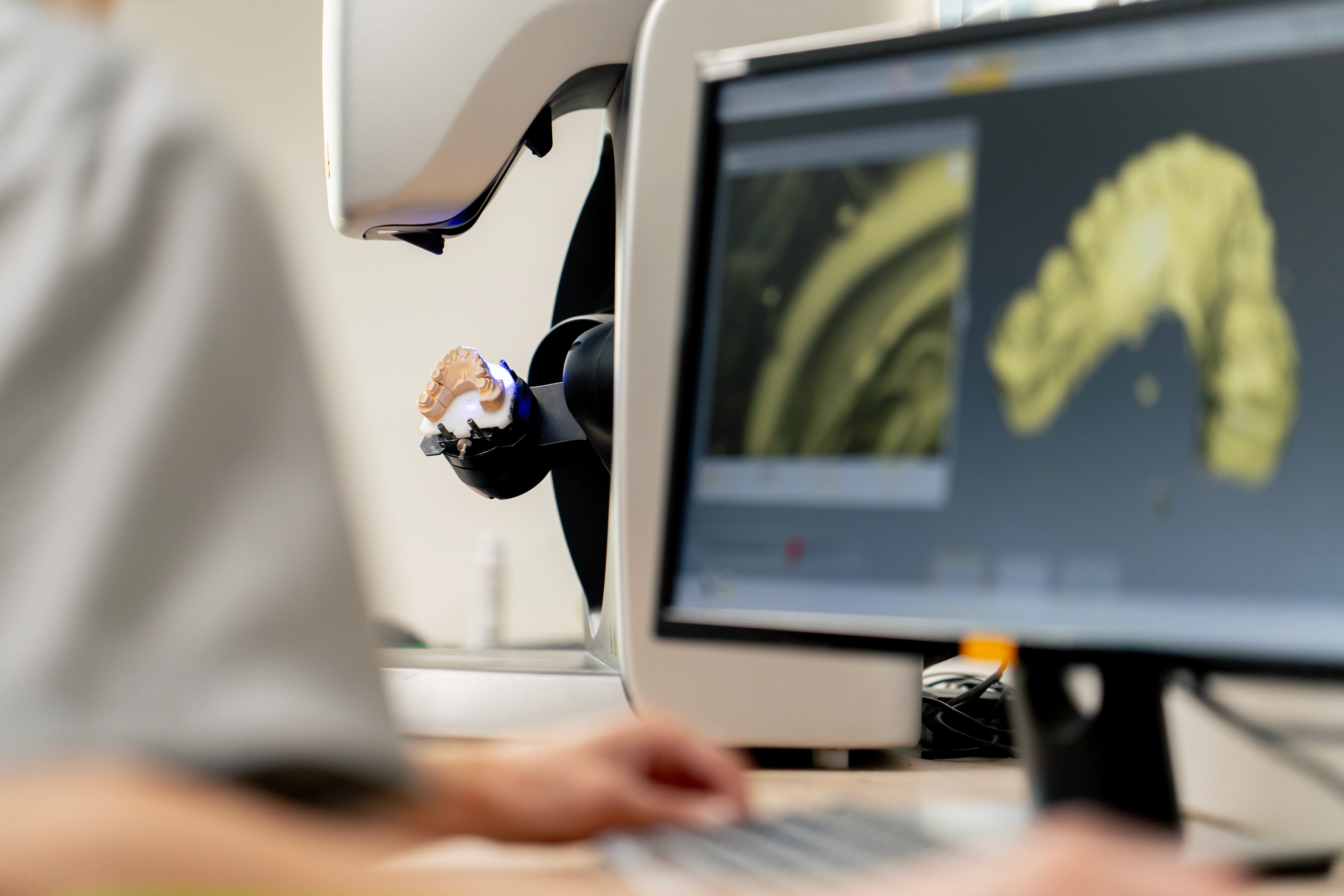
Salivary pathogen testing gives me a named organism profile instead of a guess about why a compliant patient keeps breaking down, and it lets me target therapy and re-test at six weeks to confirm the biology actually changed. CBCT gives me airway volume, condylar position, and pathology I'd otherwise never see. Home sleep testing converts "she seems tired" into physiologic data a physician will act on.
None of this is alternative medicine. It's imaging, microbiology, and physiologic testing applied to problems dentistry has historically diagnosed by feel. And the point of the tools isn't to make bigger claims. It's to ask better questions. Why is this patient presenting with this pathology at this particular time?
There's a practical dimension that doesn't get discussed enough: implementation depends on access. Not long ago, sourcing the diagnostics and materials this kind of care requires meant chasing a dozen vendor relationships with very little price transparency. That has changed. Marketplaces like Net32 now carry wellness-oriented products alongside everything a practice already buys, which meaningfully lowers the barrier for a general dentist who wants to start with one protocol rather than rebuild an entire practice at once. The easiest way to eat an elephant is one bite at a time, and that only works if the next bite is easy to find.
Wellness Dentistry Tips
I use fluoride. Medicine is the management of tradeoffs, and fluoride is a high-reward, low-risk one with decades of data behind it. Lowering caries burden lowers oral infection burden, which is a core objective of integrative care rather than a departure from it. Dose, delivery, and individual caries risk are the clinical variables, and a low-risk adult with no lesions over 15 years is a different decision from a high-risk patient with active demineralization and a dry mouth.
I keep teeth when they can be kept, including endodontically treated ones. A well-executed root canal eliminates or contains the infection. What creates systemic risk is a failing one, where microleakage produces chronic bacterial exposure at the apex. Permeability is the pathology, not the procedure. So the question is never whether a tooth has gutta-percha in it. It's whether the tooth is sealed, and what the imaging shows.
Amalgam. I don't remove it prophylactically, and I don't practice a branded removal protocol. An intact, functioning restoration fails when it shows recurrent caries, marginal breakdown, cracks, or structural compromise. The exception is narrow. For a patient with chronic illness, an incomplete picture after appropriate medical workup, and symptoms consistent with metal toxicity, I'll screen with the Quicksilver Scientific Mercury Tri-Test. It uses speciation analysis to separate inorganic mercury from methylmercury across blood, urine, and hair. This is useful because elevated inorganic levels point toward amalgam, while elevated methylmercury levels point toward diet. If the result points to the restorations, removal becomes a reasonable recommendation for that patient. A screening test in a defined population, with a finding that drives the decision.
And I don't believe the mouth is the root cause of everything. Chronic disease is multifactorial. We're one important piece of it, which is why this work requires a network of physicians and specialists rather than a dental silo. The fastest way to lose a referring physician is to overstate what dentistry can explain.
Clarity Is the Whole Job
I hold myself to a simple test. If my treatment presentation depends on fear, I'm not practicing medicine. I'm practicing sales. Consent built on fear doesn't hold. It fades when the fear fades.
My patient, the health-literate 54-year-old managing her own chronic conditions, has a well-developed instinct for being sold to. What she's had trouble finding is someone who'll tell her plainly what her actual risk is, what the data does and doesn't support, and what happens if she does nothing. Trust isn't built through complexity. It's built through clarity.
Wellness dentistry isn't a position on materials. It's a commitment to diagnosing thoroughly enough that treatment can stay conservative, and specifically enough that the patient understands why.
Definitive diagnosis. Conservative treatment. No guessing.